
[fusion_builder_container hundred_percent=”no” hundred_percent_height=”no” hundred_percent_height_scroll=”no” hundred_percent_height_center_content=”yes” equal_height_columns=”no” menu_anchor=”” hide_on_mobile=”small-visibility,medium-visibility,large-visibility” status=”published” publish_date=”” class=”” id=”” background_color=”” background_image=”” background_position=”center center” background_repeat=”no-repeat” fade=”no” background_parallax=”none” enable_mobile=”no” parallax_speed=”0.3″ video_mp4=”” video_webm=”” video_ogv=”” video_url=”” video_aspect_ratio=”16:9″ video_loop=”yes” video_mute=”yes” video_preview_image=”” border_size=”0″ border_color=”” border_style=”solid” margin_top=”” margin_bottom=”” padding_top=”” padding_right=”150px” padding_bottom=”” padding_left=”150px”][fusion_builder_row][fusion_builder_column type=”1_1″ layout=”1_1″ background_position=”left top” background_color=”” border_size=”” border_color=”” border_style=”solid” border_position=”all” spacing=”yes” background_image=”” background_repeat=”no-repeat” padding_top=”” padding_right=”” padding_bottom=”” padding_left=”” margin_top=”0px” margin_bottom=”0px” class=”” id=”” animation_type=”” animation_speed=”0.3″ animation_direction=”left” hide_on_mobile=”small-visibility,medium-visibility,large-visibility” center_content=”no” last=”no” min_height=”” hover_type=”none” link=””][fusion_title hide_on_mobile=”small-visibility,medium-visibility,large-visibility” class=”” id=”” content_align=”left” size=”1″ font_size=”” line_height=”” letter_spacing=”” margin_top=”” margin_bottom=”” margin_top_mobile=”” margin_bottom_mobile=”” text_color=”” style_type=”default” sep_color=””]
Hurricane Roofing: Which Roofing Material Holds Up Best In A Hurricane?
[/fusion_title][fusion_text columns=”” column_min_width=”” column_spacing=”” rule_style=”default” rule_size=”” rule_color=”” hide_on_mobile=”small-visibility,medium-visibility,large-visibility” class=”” id=””]
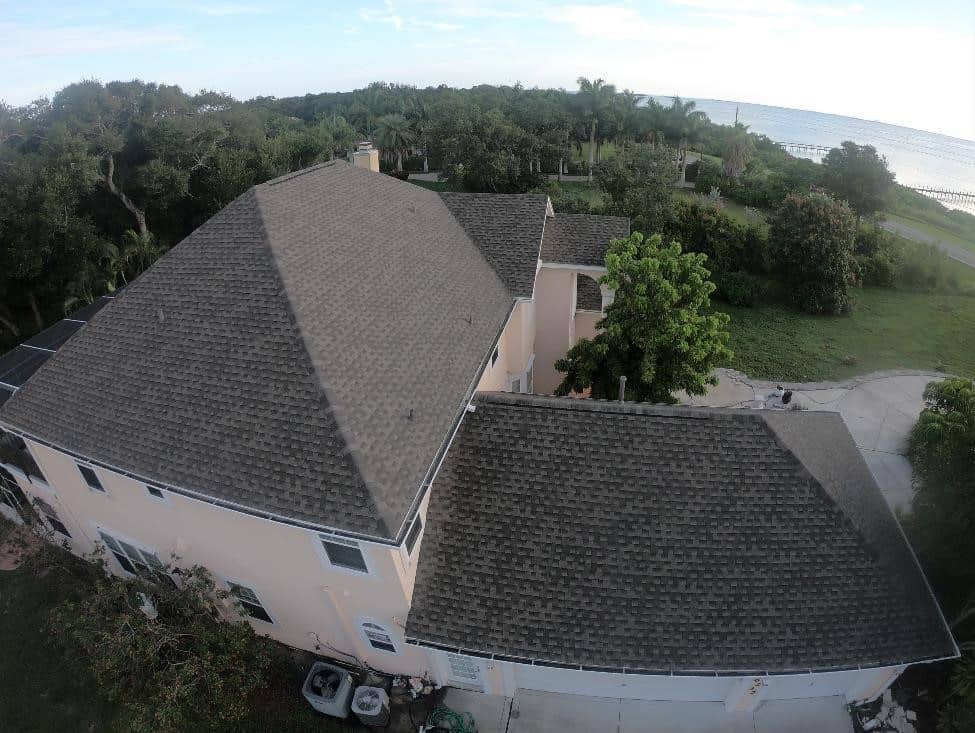 It is no secret that we live in hurricane alley. Live here more than a year and you will most likely experience a hurricane either by direct hit or by one skimming the coast. We choose to take our chances with the weather because of the beauty of Florida; the sun, the warmth, and the ocean. The homes and businesses we build here are the most important investments of our lives. Our roofs are vital to keeping our family, staff, and belongings safe and out of harm’s way. So then the question becomes: How do we protect the special things and people in our lives when a hurricane hits?
There are five main residential and commercial roofing types that are seen across Florida: ceramic, slate, asphalt, wood shakes, and metal. Each type has positives and negatives to its use, but there is one that shows to be superior when dealing with hurricane force winds and rain.
Ceramic: Ceramic style roofs are known for their beauty and longevity. Clay tiles help coastal living due to the fact that they will not weaken from salt spray. Also, ceramic tiles do hold up well to winds at 100+ mph and keep water above the tile so the decking isn’t damaged. Ceramic roofs require annual roof maintenance to reveal and replace split and loose tiles. When ceramic tiles are blown loose, they become dangerous debris that can cause physical injury and serious damage to both people and property. A major downside to ceramic tiles is their weakness and ability to be easily damaged.
Slate: Stale roofs are made of 100% natural stone and are durable, sometimes lasting longer than the buildings they adorn. Storm damage to slate roofing is typically caused by two primary elements; wind damage and flying debris. Falling limbs, building materials detached from other frameworks, and anything else that becomes airborne in high winds will cause damage if it strikes a slate roof.
Asphalt: Asphalt roof shingles are the number one marketing roofing product in the United States. They are relatively inexpensive and durable. On the bad side, conventional asphalt roofs are susceptible to blow-offs, which in a hurricane is NOT a good thing. Each tile that becomes loose leaves a bald spot on the roof. The bald spots leave your home or business susceptible to water and wind damage. Water and wind damage deteriorates and destroys roofs. This means you are guaranteed to be spending money on a roof repair or replacement.
Wood Shakes: Wood shake roofing systems last ten years, on average, longer than asphalt roofs. Cedar shakes stand up well near salt water and they can hold up against high winds. Pre-treating the wood shakes helps resist burning and insect infestation, but for the treatment to withstand, the treatment must be reapplied over time. Generally, wood roofs are vulnerable as they age because of seasonal climate changes and direct exposure to ultraviolet (UV) radiation.
Metal: A metal roof can stand up to winds between 110-160 miles per hour. Metal roofing is durable, long-lasting and does not require regular maintenance.  Metal roofs also stand up to hurricanes and wind-driven rain. This is why they should be the preferred choice for all those living and working in hurricane prone areas. The protection of a metal roof means that your home or business will avoid physical damages and leaks. This eliminates the need for repairs, which will save you money and time. The installation of a metal roof makes sure that your roof is secure and stays in place during a hurricane.
While every type of roof has pluses and minuses, metal roofs and asphalt roofs are by far the most durable and dependable roofs for those who live in hurricane alley. The kind of roof product that you select now will determine if your house or company will survive a hurricane. Your roofing material choice today is an investment into preventing future roofing replacement and repair costs. Avoid future broken heart and unnecessary expenses by selecting a metal roof and choose DC Roofing as your roofing contractor.
[/fusion_text][/fusion_builder_column][/fusion_builder_row][/fusion_builder_container]


