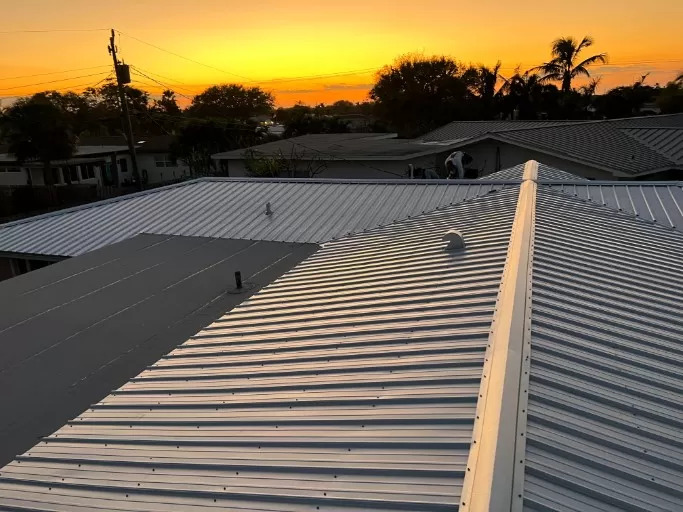
Coastal Florida is known for its beauty, warm breezes, and ocean views, but living near the shoreline also exposes homes to unique roofing challenges. Roof leaks develop and spread faster in coastal regions because weather conditions constantly push roofing materials to their limits. Melbourne Beach homeowners in particular face higher risks due to intense humidity, persistent salt exposure, and frequent storms that bring heavy rain and high winds. These environmental factors weaken roofing systems much more quickly than in inland areas.
Early detection is vital because roof leaks often start small and become major issues in a short amount of time. Once water begins penetrating the roof system, it spreads into underlayments, decking, insulation, and interior structures. Fast and professional roof repair in Melbourne Beach helps prevent extensive damage and protects homes from long term structural issues. Understanding why leaks spread faster near the coast allows homeowners to take proactive steps, schedule regular inspections, and work with specialists who know how to address the conditions unique to coastal Florida.
Constant Humidity Accelerates Moisture Penetration
Florida’s year-round humidity puts continuous pressure on roofing materials. When the air is saturated with moisture, shingles and underlayments naturally absorb more water, which reduces their strength over time. In coastal climates like Melbourne Beach, roofing systems stay damp longer after rainfall, making it easier for moisture to settle into cracks, seams, and worn surfaces.
Moisture saturation happens quickly in these environments. Once humidity penetrates a weakened area, it can migrate deeper into the roofing layers. This leads to hidden leaks that worsen before homeowners see any visible signs. Roof repair services in Melbourne Beach often start with addressing moisture trapped beneath shingles or underlayment because these areas are especially vulnerable in humid climates.
Salt Air Corrosion Weakens Roofing Materials Over Time
Salt air is one of the most damaging factors affecting coastal roofs. Salt particles carried by ocean breezes settle on shingles, metal components, and flashing. Over time, salt accelerates corrosion, especially on fasteners, exposed metal, and areas where protective coatings have worn away. This corrosion weakens vital components that help keep the roof watertight.
As metal fasteners and flashing corrode, small gaps begin to form around edges, vents, and seams. These gaps invite water intrusion, and once the process starts, leaks spread quickly. Roof repair in Melbourne Beach frequently involves replacing corroded metal, reinforcing flashing, or sealing vulnerable joints to prevent widespread damage. Without intervention, salt corrosion continues to widen openings and weaken structural integrity.
Heavy Rainfall and Tropical Storms Intensify Water Intrusion
Coastal Florida experiences frequent storms that bring heavy rain, especially during hurricane season. Wind driven rain is powerful enough to force water under shingles, around flashing, and into roof edges. Even roofs in good condition can experience stress from repeated storm exposure.
Each storm creates new stress points on aging roofing systems. The cumulative effect causes leaks to appear in multiple areas, making them difficult to pinpoint. Heavy rainfall also saturates roofs faster, overwhelming older underlayments and allowing water to seep into the home. Roof repair services in Melbourne Beach often see an increase in calls immediately after big storms because even small vulnerabilities can turn into large leaks under intense rainfall.
Strong Winds Lift Shingles and Open Pathways for Water
Wind is one of the most destructive forces acting on coastal roofs. During tropical storms, strong winds can lift shingles slightly, breaking the seal that keeps water out. Even minimal uplift creates openings that allow rain to enter the system. Once uplift occurs, the affected area becomes more vulnerable to future storms, worsening the leak with each wind event.
Small areas of lifted shingles can turn into large leak zones because wind creates a chain reaction that weakens surrounding shingles and the roof’s protective layers. Once water reaches the underlayment or decking, it spreads quickly. Homeowners often do not notice the damage until significant moisture has already entered the home. Addressing wind damage promptly with roof repair services in Melbourne Beach helps stop this progression early.
Poor Attic Ventilation Makes Moisture Problems Worse
Attic ventilation plays an important role in roof longevity. When ventilation is inadequate, heat and moisture become trapped inside the attic. This trapped moisture leads to condensation that settles onto the underside of the roof deck, causing soft spots, mold, and wood rot. These conditions weaken the roof structure and make it more susceptible to leaks.
Coastal homes face more dramatic temperature changes due to the combination of heat and humidity. Without proper ventilation, roof materials deteriorate much faster. Ventilation improvements are one of the most effective ways to prevent moisture problems, and roof repair in Melbourne Beach often includes evaluating attic airflow to stop internal moisture from contributing to leaks.
Aging Roofs Break Down Faster in Coastal Environments
Coastal homes experience stronger sunlight, higher humidity, and more salt exposure than inland properties. UV rays break down shingles faster, salt weakens metal, and heat causes roofing materials to expand and contract at a rapid rate. These conditions shorten the lifespan of any roof, even those built with high quality materials.
As roofs age, their protective layers thin out, making it easier for leaks to start and spread. Once materials begin breaking down, water finds pathways through cracks, weakened seams, and deteriorated flashing. This accelerated wear is why older coastal roofs require more frequent inspections and timely roof repair services in Melbourne Beach.
Warning Signs That a Roof Leak Is Getting Worse
Leaks rarely begin with a dramatic drip. Instead, homeowners often notice subtle signs like water spots on ceilings, a musty smell, peeling paint, or soft areas in the ceiling or attic. Mold growth is another major indicator that moisture has been present for some time.
These early warning signs show that the leak is spreading beyond its entry point. Addressing these signs immediately helps prevent large scale damage to structural framing, insulation, and interior surfaces. Ignoring small leaks allows them to expand into major issues that require much more extensive repairs.
Why Fast Roof Repair Is Critical for Coastal Florida Homes
Delaying roof repair in a coastal environment can lead to serious consequences. Moisture spreads quickly through insulation and wood framing, causing rot or mold that affects both air quality and structural stability. Water can reach electrical systems, damage drywall, and ruin flooring.
Hiring professionals who understand Melbourne Beach’s climate conditions makes a significant difference in the long term performance of a roof. Local experts know how wind, salt, and humidity impact roofing materials and can recommend solutions that prevent leaks from returning. Homeowners who act quickly save money, avoid structural issues, and ensure their home remains protected.
FAQs About Roof Leaks in Coastal Florida Homes
Why do roof leaks spread faster near the coast?
Roof leaks spread faster because humidity, salt air, heat, and storm exposure weaken materials more quickly than inland environments.
How can I tell if a small leak is actually a big problem?
Expanding stains, mold odors, peeling paint, or sagging ceilings indicate that water has already spread beyond the initial leak point.
Are metal roofs safer from leaks in coastal areas?
Yes, but they still require proper installation and maintenance because salt air can corrode exposed metal over time.
How often should coastal homes be inspected for leaks?
Twice a year is ideal, especially before and after hurricane season.
Can delaying a minor roof repair cause major damage?
Yes. Small leaks can quickly spread to insulation, framing, and electrical areas, leading to significant repairs.
When Your Roof Needs Help, Choose DC Roofing Inc. for Roof Repair Services in Melbourne Beach
If you notice signs of a leak or want to protect your home before the storm season, now is the perfect time to schedule an inspection with DC Roofing Inc. Our team specializes in repairing leaks caused by humidity, salt exposure, high winds, and storm activity common in coastal Florida. We provide dependable roof repair services in Melbourne Beach that address problems early and prevent further damage. Protect your home with expert roof repair in Melbourne Beach and contact us today to book your inspection or consultation.