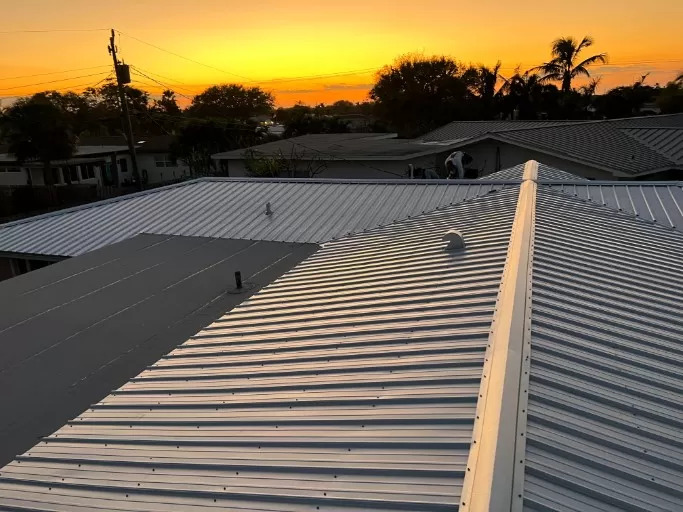
Commercial property owners in Melbourne, Florida face unique roofing challenges. Between hurricane season, intense summer storms, and year round heat, a commercial roof must do more than simply keep water out. It must resist wind uplift, handle heavy rainfall, and maintain long term performance under constant sun exposure. Commercial TPO roofing Melbourne, Florida has become a popular solution for commercial buildings across Brevard County, but many owners still ask whether it can truly withstand Florida’s harsh weather conditions. Understanding how TPO roofing works and how it is installed can help answer that question with confidence.
Understanding Florida’s Wind and Storm Risks for Commercial Buildings
Florida’s storm season brings a combination of powerful forces that put commercial roofs to the test. From June through November, Melbourne and the surrounding area are at risk for tropical storms and hurricanes that generate sustained high winds and sudden gusts. These winds create uplift pressure that attempts to pull roofing systems away from the building structure. At the same time, heavy rainfall can overwhelm drainage systems, leading to standing water that adds stress to the roof surface.
In Brevard County, commercial buildings must also contend with flying debris during storms. Branches, signage, and other loose objects can impact roofing membranes with significant force. A commercial roof in this environment must be engineered to remain secure under wind pressure while staying flexible enough to absorb movement and impact.
What Is TPO Roofing and Why It Is Popular for Commercial Properties
TPO roofing, or thermoplastic polyolefin roofing, is a single ply membrane system commonly used on flat and low slope commercial roofs. It is composed of a blend of rubber and plastic materials that create a strong yet flexible membrane. This flexibility allows the roof to expand and contract with temperature changes, which is especially important in Florida’s hot climate.
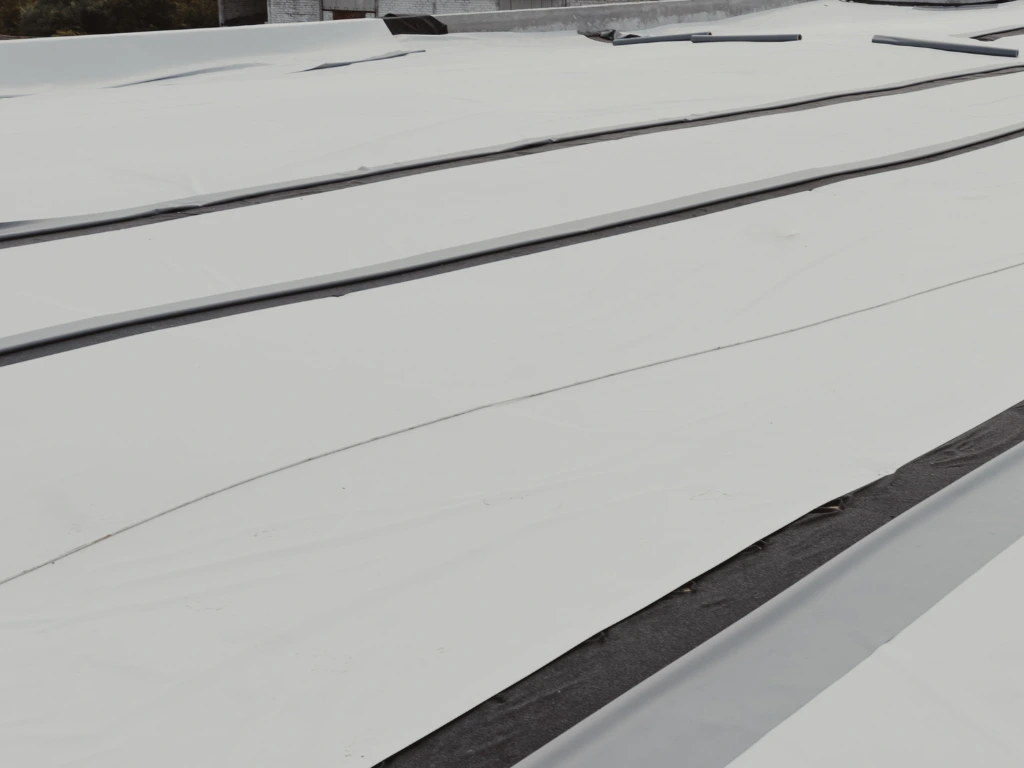
One of the reasons TPO performs well in storm prone areas is its heat welded seams. These seams form a continuous, watertight bond that helps prevent water intrusion during heavy rain. The reflective white surface of TPO roofing also reduces heat absorption, helping commercial buildings maintain more stable interior temperatures. This combination of durability, energy efficiency, and weather resistance has made Commercial TPO roofing Melbourne, Florida a preferred option for many local businesses.
How Commercial TPO Roofing Is Designed to Handle High Winds
Commercial TPO roofing systems are engineered with wind resistance in mind. The membrane can be installed using different attachment methods depending on the building’s needs and wind exposure requirements. Mechanically attached systems use fasteners and plates to secure the membrane directly to the roof deck, creating strong resistance against uplift forces. Fully adhered systems bond the membrane across the entire surface, distributing wind pressure evenly and reducing movement during storms.
Reinforced seams are another critical component. Heat welding fuses the seams together, forming a bond that is often stronger than the membrane itself. When installed correctly, these seams help the roof act as a single continuous surface rather than separate sections. Wind uplift ratings assigned to TPO systems indicate their ability to withstand specific wind speeds, which is why professional evaluation by experienced TPO roofing contractors Melbourne, Florida is essential before installation.
The Role of Proper Installation in Storm Performance
Even the strongest roofing materials can fail if they are not installed properly. Seam welding must be performed at the correct temperature to ensure full fusion without weakening the membrane. Flashing details around penetrations, edges, and transitions must be precise to prevent wind driven rain from entering vulnerable areas.
Edge securement plays a major role in storm resistance, as roof edges often experience the highest wind pressure during a storm. Properly installed termination bars, coping systems, and flashing components help keep the membrane firmly in place. Compliance with Florida building codes ensures that every aspect of the installation meets wind and uplift standards specific to Melbourne and Brevard County.
How Florida Building Codes Impact Commercial TPO Roofing
Florida has some of the strictest building codes in the country due to its exposure to severe weather. These codes define wind zones, uplift requirements, and inspection protocols that commercial roofing systems must meet. Melbourne sits within a region where wind ratings and fastening requirements are carefully regulated.
Local knowledge is critical when installing or replacing a commercial TPO roof. Roofing systems must be designed to meet code requirements for the specific building location and structure. Experienced contractors understand how to navigate permitting, inspections, and compliance to ensure the roof performs as intended when storms arrive. This local expertise is a key reason why many businesses trust DC Roofing Inc. for Commercial TPO roofing Melbourne, Florida projects.
Common Storm Related Damage to TPO Roofs
While TPO roofing is durable, it is not immune to damage if storms are severe or maintenance is neglected. Seam separation can occur if seams were improperly welded or if debris impacts weaken bonded areas. Membrane punctures may result from sharp debris or frequent foot traffic after storms.
Ponding water is another concern, especially if drains become clogged during heavy rainfall. Standing water increases stress on the membrane and can lead to premature wear. Flashing failure around vents, HVAC units, and roof edges may allow water intrusion if materials loosen over time. Regular inspections help identify these issues early before they lead to costly interior damage.
How Preventative Maintenance Improves Storm Resistance
Preventative maintenance is one of the most effective ways to improve storm resistance for commercial TPO roofs. Routine inspections allow roofing professionals to assess seam integrity, check flashing conditions, and ensure drainage systems are functioning properly. Clearing debris from the roof surface and drains before storm season reduces the risk of ponding water and impact damage.
Pre storm preparation may also include reinforcing vulnerable areas and addressing minor repairs that could worsen under storm conditions. Working with qualified TPO roofing contractors Melbourne, Florida ensures maintenance plans are tailored to the specific weather risks faced by Melbourne commercial properties.
When to Repair vs Replace a Commercial TPO Roof After a Storm
After a major storm, property owners must decide whether repair or replacement is the best option. Minor issues such as isolated seam damage or small punctures can often be repaired effectively if the membrane is still in good overall condition. However, widespread seam failure, repeated leaks, or saturated insulation may indicate that replacement is more cost effective in the long term.
Safety concerns should also factor into the decision. A compromised roof can pose risks to occupants and equipment inside the building. Professional inspections help determine the true extent of storm damage and provide guidance on the most responsible path forward.
Frequently Asked Questions About Commercial TPO Roofing in Florida
Can TPO roofing withstand hurricane force winds in Florida?
Yes. When properly installed to Florida building codes, TPO roofing is designed to resist high wind uplift and storm conditions.
How long does commercial TPO roofing last in Florida’s climate?
Most commercial TPO roofs last 20 to 30 years with proper installation and routine maintenance.
Is TPO roofing good for flat and low slope commercial roofs?
Yes. TPO roofing is ideal for flat and low slope roofs because it provides strong waterproofing and durable seams.
Does TPO roofing help reduce cooling costs in Florida?
Yes. The reflective surface of TPO roofing reduces heat absorption and lowers cooling demands.
How often should a commercial TPO roof be inspected in Melbourne, Florida?
Inspections should be done twice a year and after major storms to maintain performance and warranty coverage.
Start Your Commercial TPO Roofing Melbourne, Florida Installation With DC Roofing Inc.
DC Roofing Inc. brings local experience, commercial roofing expertise, and a deep understanding of Florida building codes to every project. Whether you are planning a new installation, need storm damage repairs, or want a professional inspection, their team delivers reliable solutions tailored to Melbourne businesses. If you are considering Commercial TPO roofing Melbourne, Florida or need trusted TPO roofing contractors Melbourne Florida, contact DC Roofing Inc. today to schedule an evaluation or request a quote and protect your property before the next storm arrives.